Built for LA, Shared with the World: LA28’s Cultural Olympiad
Six Disciplines, One City's Creative Soul. The LA28 Cultural Olympiad Will Celebrate Los Angeles's Cultural Legacy While Leaving a Lasting Mark on the Olympic Movement.
No city produces culture the way Los Angeles does. Not as an industry, not as an export, but as a daily fact of life. It's in the street art on the freeway overpasses, the food trucks outside the museums; the rehearsal spaces tucked behind strip malls in a dozen different languages. When Los Angeles welcomes millions from around the world for the 2028 Olympic and Paralympic Games, the LA28 Cultural Olympiad won't import a celebration. It will surface one that's already here.
Spanning fashion, film, food, music, performance, and visual art, this is a program that grows from the city itself, connecting cultural institutions with local artists, community organizations and the neighborhood spaces where creativity already lives and breathes.
By Angelenos, Shared with the World
“We have intentionally built the Cultural Olympiad from the community level up, to ensure that we are reflecting the authentic voices of our region, said Nora Halpern, Executive Director of the LA28 Cultural Olympiad. "The Cultural Olympiad must be of Los Angeles, not just in Los Angeles. We want every Angeleno to see themselves in our program.”
The IOC will support LA28 in amplifying the reach and maximizing the impact of the Cultural Olympiad.
"By bringing culture, creativity and education together ahead of the Games, the Cultural Olympiad generates excitement and engages communities long before the Opening Ceremony, said Yasmin Meichtry, IOC Culture and Heritage Deputy Director. “It creates a legacy that lasts over time and resonates well beyond Los Angeles, across the world.”
The Cultural Olympiad is also taking shape in collaboration with civic agencies in the Los Angeles region; each committed to the Games not just as a moment, but as a mandate.
“The 2028 Olympic and Paralympic Games offer an unprecedented opportunity to celebrate our City and region’s arts and culture for our local and global communities,” said Paul Krekorian, Executive Director, City of Los Angeles Office of Major Events. “The City of Los Angeles has been a committed partner from the start and looks forward to continuing our partnership with LA28 on the Cultural Olympiad and the City's arts and culture program to uplift our City’s cultural communities on the global stage.”
Since the earliest Games, the Olympic movement has held that human excellence isn't only measured in speed or strength, but in creativity, expression, and culture. Few cities have been as uniquely positioned to prove that than Los Angeles in 2028. LA28 will also mark the first Paralympic Games ever held in Los Angeles, a historic milestone the Cultural Olympiad will honor not as a footnote, but as a lens. An intentional focus on equity of excellence means the full range of the city's creative voices, abilities, and communities will be a part of the program.
Highlights of the Program
What follows is just a glimpse. The LA28 Cultural Olympiad will come to life through an expanding series of signature programs and initiatives. Each of these reflect a Cultural Olympiad designed for the modern age — digitally forward, fiscally responsible, and built on the belief that the most authentic way to celebrate Los Angeles is to trust Los Angeles to lead. The programs below represent the first wave of what's being built for Los Angeles and the world:
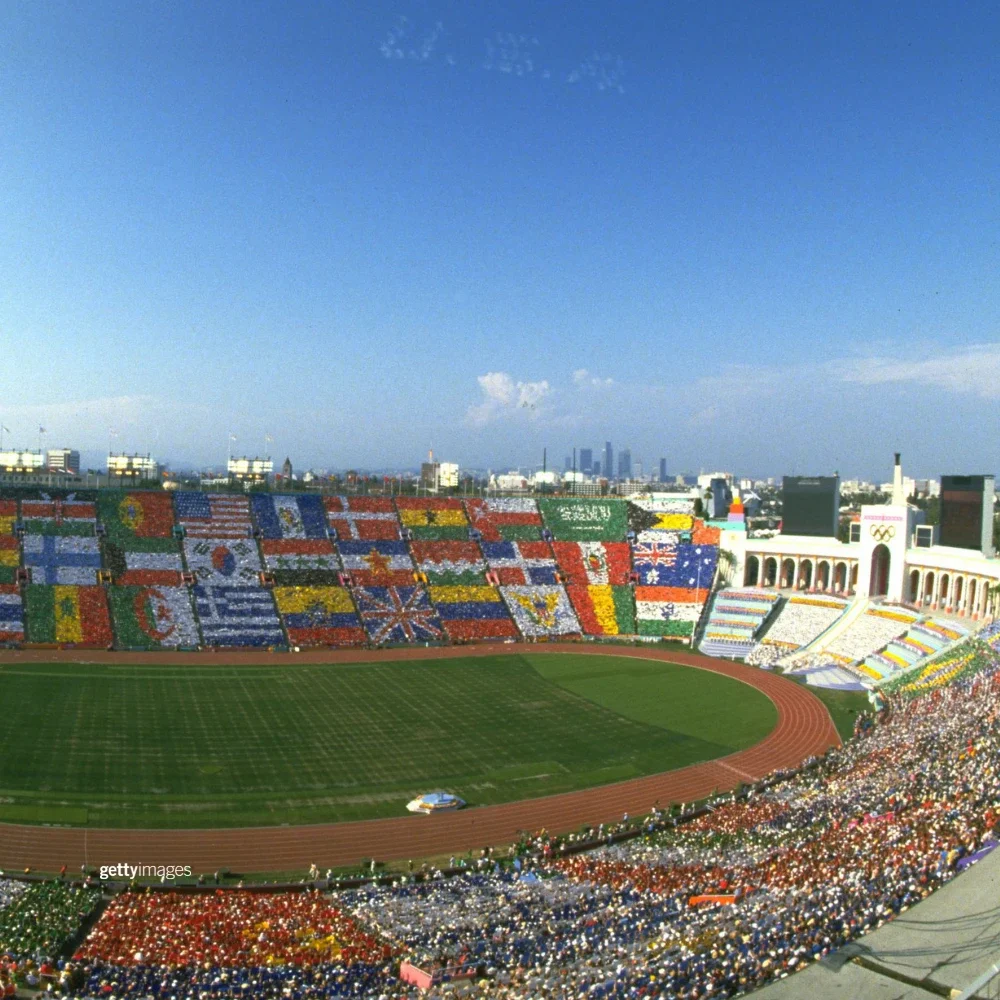
- Sixteen official LA28 Art Posters, eight Olympic and eight Paralympic, will be created by local artists selected through a jury-led process. Olympic art posters are among the most enduring cultural legacies of any Games; LA helped define that tradition in 1984, and the artists commissioned for 2028 will carry it forward. A public unveiling is set for July 2027.
- The Official LA28 Cultural Olympiad Mark ensures that the creative institutions and community organizations that already define this city's cultural life are recognized, amplified and connected to the world's biggest stage — regardless of their size or resources. Applications open across the region in early 2027.
- A Sport on the Silver Screen series will bring 28 sports films to audiences across the city. Free screenings at iconic LA locations, some paired with local food vendors and curated performances.
- A Cultural Olympiad Calendar and Mapping platform will serve as a digital guide to the breadth of programming, launching in January 2028 and gifted to a local partner organization as a lasting community tool long after the Closing Ceremony.
An underwriting program will reduce or eliminate ticketing and entrance fees for some cultural programming during the Games, inclusive of park stages and film screenings. Programming will reach across Los Angeles City Council districts, LA County facilities, LA28 venue cities, and extend to LA28's national activations.
Building on a Legacy
“Sport and culture weren't meant to be separated. The Olympics have always been about more than what happens on the field,” Halpern said. “They're about the joy of effort, lifting each other up, and celebrating what we share as human beings. That's exactly what the Cultural Olympiad is here to do.”
It's been forty years. Los Angeles is ready to do it again.